
SIRD: An Overview
In accordance with the National Development Policy [NDP,1983] of accelerating national development in rural areas through training and human resource development, as well as keeping in line with other 27 state in the country, the State Institute of Rural Development (SIRD) Manipur was established in conformity with the guidelines of the Central Government [letter No: T-18011/4/94-Trg., Dt: 08/12/1994 & subsequent letter No: T-18011/2/98-Trg., Dt: 05/02/1999] as the apex training and research institute for rural development and areas specified in the 11th Schedule of the Constitution. The State Government conferred autonomous statusto the Institute, vide Govt. Order No: 3/3/2003-Dev (SIPARD) on 23-01-2006, barring matters concerning recruitment of staff, sanction of expenditure, investment of funds of the institute etc in which the SIRD should strictly followed the administrative and financial policies of the State Government [Annexure-I]. The Institute is formed under the Department of RD&PR, Govt of Manipur and registered under Section 7(1) of the Manipur Societies Registration Act, 1989 (Manipur Act 1 of 1990) bearing registration No: 202/M/SR/2006 on 02-03-2006. At present, the Institute is running with the central support from the NIRD/MoRD, Govt of India as well as State Govt. The 1st meeting of the Advisory Committee/ Governing Body of the Institute was held on 12th April, 2006 which consists of 12 members with the Hon’ble Minister of RD&PR as the Chairman and the Secy/Commissioner/ Pr Secretary/ Addl Chief Secy (RD&PR) as the Vice-Chairman of the Advisory Committee or Governing Body. So far, the Institute has conducted 7 (seven) such meetings [Annexure-II]. Considerable progress has been made towards strengthening the training activities of the SIRD by appointing contract staff through proper advertisement and DPC with the approval of State Cabinet on 13th December, 2006. The Institute is located at Porompat, near the JNIMS in Imphal-East District and is of approx 3 kilometres distance from the heart of the Imphal City. The location of the Institute is easily routed towards east direction by road from the Tulihal Airport within 15 minutes.
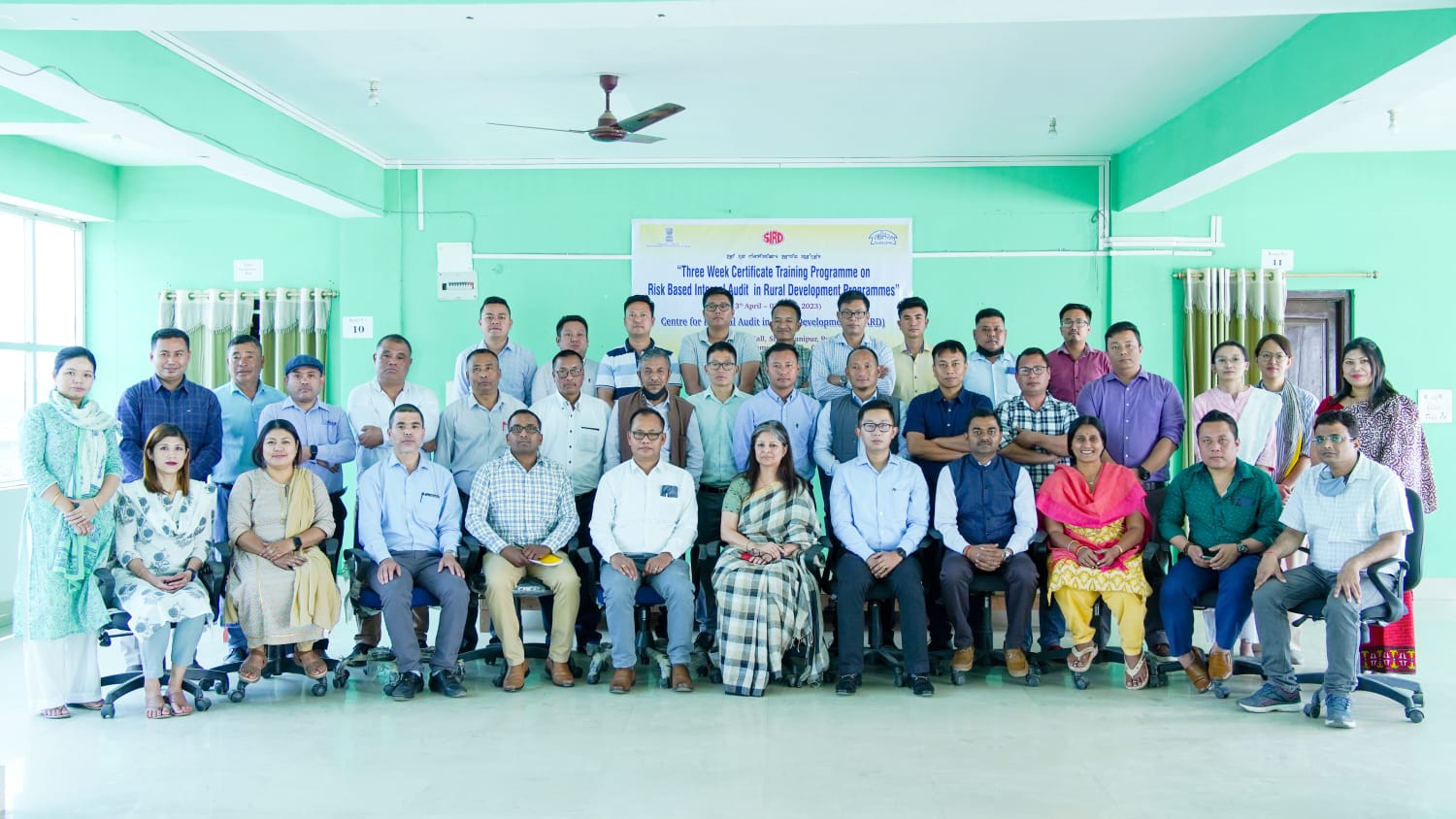
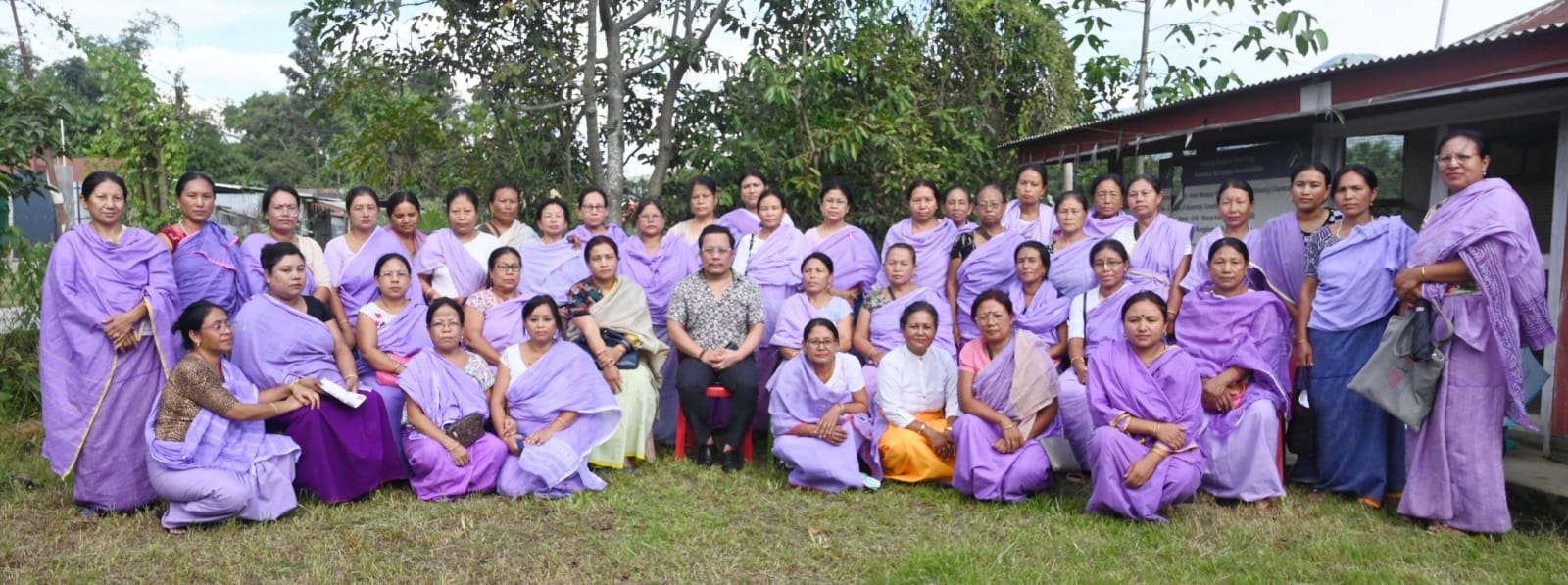
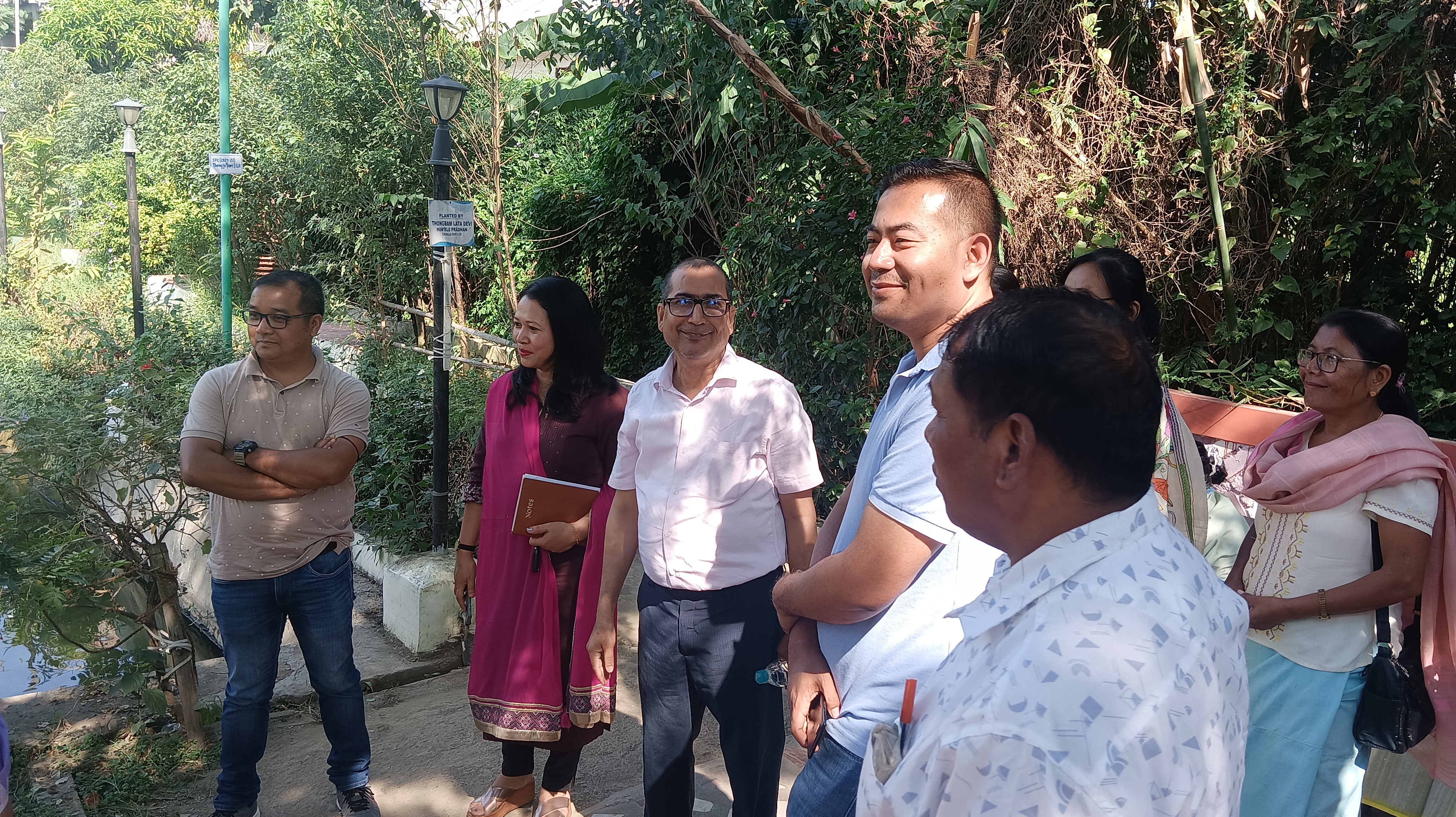
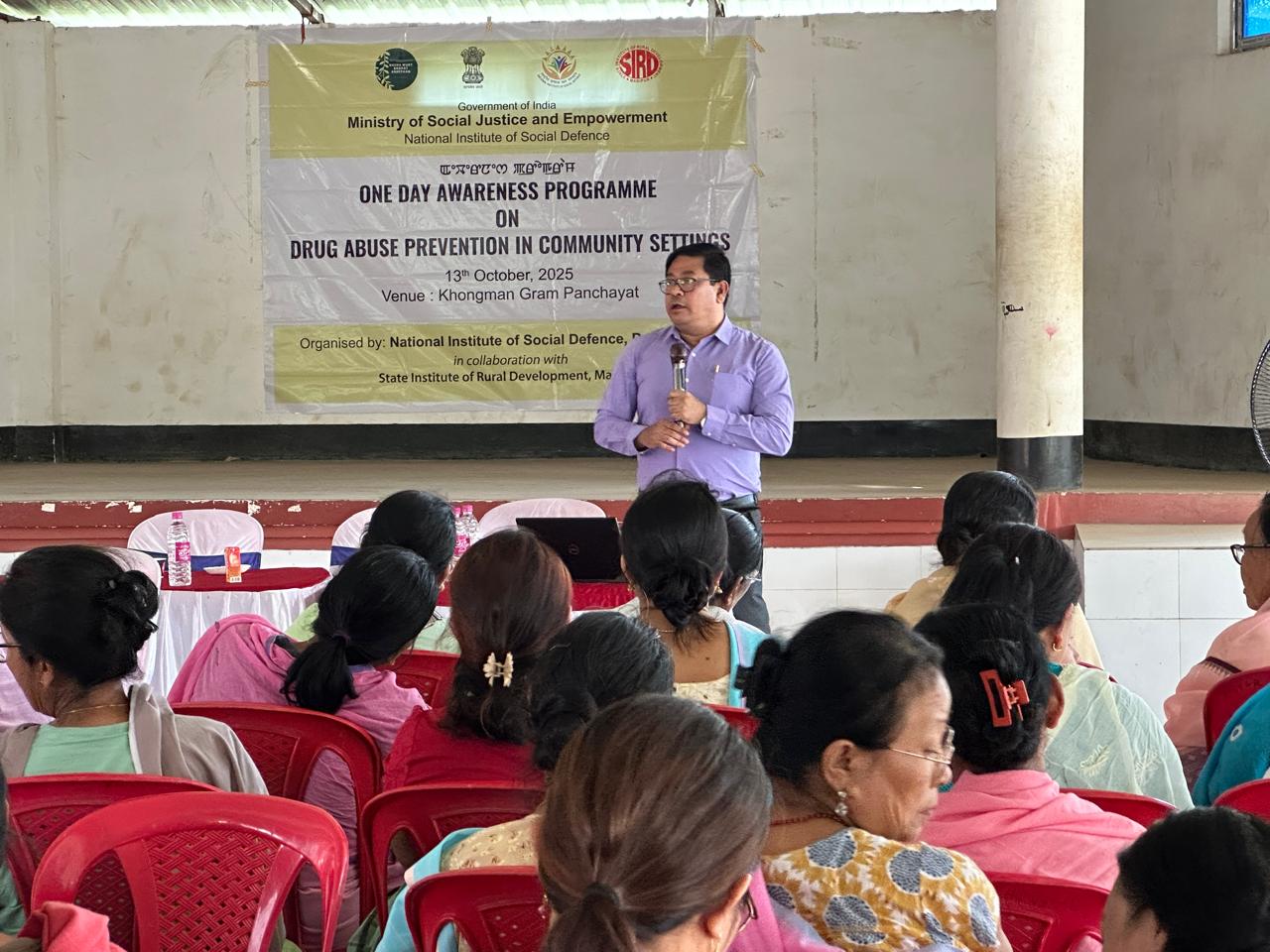
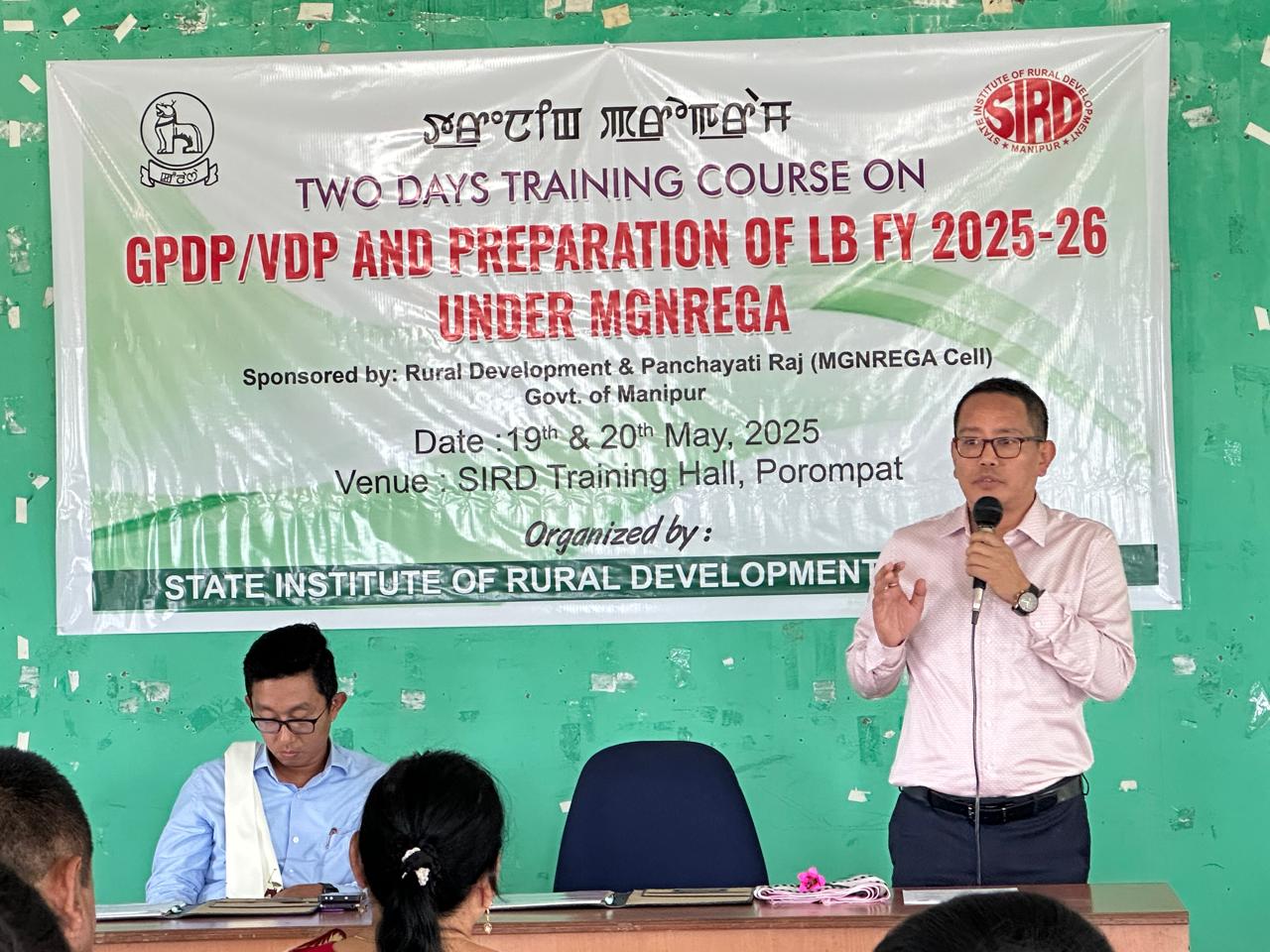
Since its inception, the Institute is endeavouring to achieve these aims and objectives by providing multi-pronged strategies and technologies such as scheduled training courses, holding seminars/workshops, public meetings, exposure/field-visits, social mobilization camps, project based consultancy services (TEFP), conducting researches, circulation of leaflets & pamphlets, method & result demonstrations, projected & non-projected aids, motivation trainings, evaluation-studies, case-studies, suggestions & ideas put forwarded by the value-participants-resource persons during programmes, other forms of TNA exercises etc., for development in rural areas and strengthening the Panchayati Raj system/Local bodies.
Our Vision:
Our Mission:
Our Mandate:
- To organise need based multidisciplinary training programmes, exposure visits, awareness campaigns etc., in the broad field of rural development as well as in the matters of 11th Scheduled of the Constitution.
- To undertake research, evaluation studies and consultancy services in rural development and panchayati raj/local body.
- To provide updated training modules and methodologies.
- To strive for the empowerment of rural masses specially the women and weaker sections.
- To propose solutions of specific problems and issues that are being faced by the State during the planning & implementation of rural development and poverty alleviation programmes.
- To update the library as well as information & documentation services in the domains of rural development and self-governance.
- To collaborate and network with other organisations/institutions for achieving the objectives of the Institute.
- To gradually transform from a training institute to learning institute as a Deemed University.